



Answers that will put your mind at ease before you donate
We have compiled the most frequently asked legal and practical questions about sacrifice, Aqiqah, Hady, expiations, vows, and feeding the poor, and answered them clearly and with reliable sources. Rest assured first… then give.
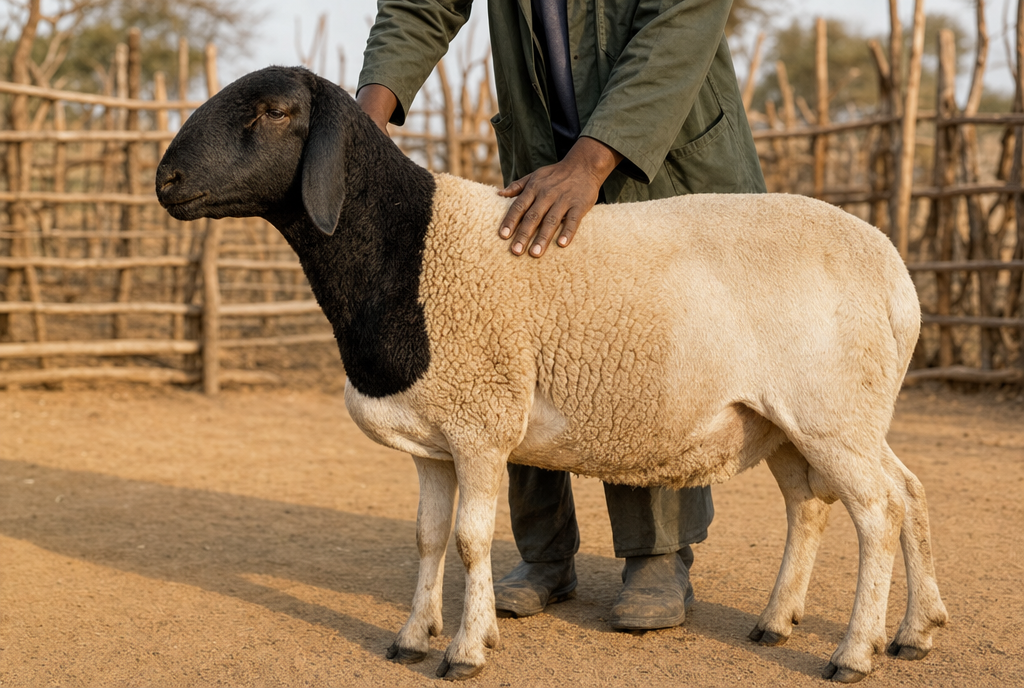
Your quick guide
How can you easily find your answer?
The questions are divided into two groups: legal questions concerning the validity and components of the work, and practical questions concerning timing, payment, documentation, and pricing. Choose the section that interests you, or search directly above.
Didn’t find your question? Our team will answer you within hours.
Why do you trust our answers?
Every answer here is based on a legitimate principle and documented field practice.
Scientific supervision
Review by experts of everything that is published.
Slaughter according to Islamic law
We adhere to the conditions of ritual slaughter and the eligibility of the slaughterer.
Full documentation for each sacrifice
Video of implementation and distribution images for each case.
Transparency in price and bank
Know the destination of your donation step by step.
We keep a record of each sacrifice from preparation to documentation.
Islamic rulings regarding sacrifice and offerings
This is the most common question donors ask before performing their sacrifice abroad.
Yes, it is permissible. The sacrifice is an act of worship that can be performed wherever one wishes, and it is not required that it be in the donor’s country. Entrusting us with the slaughter and distribution of the meat to the needy in Africa and other areas of greatest need is permissible according to Islamic law, and many scholars have issued fatwas permitting it due to the greater benefit it provides to the poor.
We adhere to the conditions of ritual slaughter: the slaughterer is a qualified Muslim, the name of God is invoked at the time of slaughter, the jugular veins are severed, and the sacrificial animal is free from any disqualifying defects and has reached the required age. This process is supervised by specialists, and we will send you a certificate of ritual slaughter and a video of the procedure.
Eating from the sacrificial animal is recommended, not obligatory. The donor may authorize us to distribute it entirely to those in need. If you wish to eat some of it, you may do so within your means; otherwise, the complete distribution is valid and rewarded.
The sacrifice (Qurbani) is slaughtered during the days of Eid al-Adha as an act of worship to God, while the sacrificial offering (Hadi) is for those performing Hajj or Umrah and is slaughtered within the Haram (sanctuary) or outside the Haram boundary, depending on its type. We perform each according to its proper time and conditions.
A sheep or goat suffices for one person and their household, while a cow or camel may be shared by up to seven people. We will clarify the appropriate share for your intention upon request.
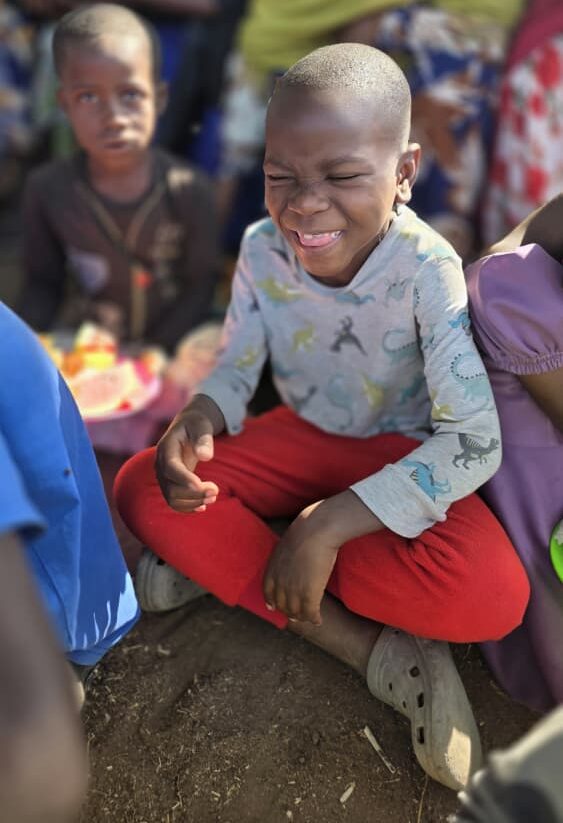
Aqiqah and the newborn
Everything you need to know to perform the Aqiqah for your newborn correctly.
Two sheep of equal value are required for a boy, and one sheep for a girl. If one offers only one sheep for a boy, it is sufficient according to some scholars, but the more complete form is that which has been reported.
The Sunnah is to perform it on the seventh day after birth, and if that is missed, then on the fourteenth, then the twenty-first, and it is permissible to perform it after that whenever it is convenient, as there is flexibility in the matter.
Yes, we require the newborn’s name and gender in order to issue a digital Aqiqah certificate in his name, and to accurately record the intention in the execution documents.
Yes, it is permissible to distribute it all, and it is recommended to eat from it, give some as gifts, and donate some of it. We deliver it to those in need and document the distribution with photos.
If someone was not given the sacrifice when he was young, then there is no harm in him giving the sacrifice when he was older, according to a group of scholars, and the matter is broad.
Related fields: Name of the newborn · Gender of the newborn (male/female) · Parent or family name · Dedication message
Timing, Payment, and Currencies
Quick answers to the most frequently asked questions on the practical side.
Each sacrifice goes through four clear stages: preparation → execution → distribution → documentation. Eid sacrifices are slaughtered on the days of sacrifice, and others are carried out at the earliest suitable date after confirmation, and you will receive documentation at each stage.
You can pay securely via PayMob, Fawry, and Visa and Mastercard. All transactions are encrypted and secure.
Yes, the system supports multiple currencies, and the amount is calculated at the exchange rate at the time of payment and is clearly displayed to you before confirmation, without any hidden fees.
Yes, you will receive an electronic receipt immediately upon payment, and then you will receive documentation of the execution after it is completed.
Yes, you can activate a monthly donation for food or charity, and stop it whenever you want without obligation.
We show you the final amount and currency before you click “Confirm Payment”.
What proof and documentation do you receive?
Because trust is built on evidence, not words.
Video execution
A short video documenting the execution of your sacrifice.
Distribution photos
Images from the moment it reached those in need.
Legal slaughter document
A document confirming compliance with the legal requirements.
Digital Aqiqah Certificate
A certificate in the name of the newborn will be sent to you electronically.